


SKF Altow Fruit Tree Project
As part of Sauti Kuu Foundation’s (SKF) commitment to promoting sustainable livelihoods, food security, and environmental stewardship, SKF, through the support of its partner Altow Company, initiated a fruit tree planting project in August 2025.
As part of Sauti Kuu Foundation’s (SKF) commitment to promoting sustainable livelihoods, food security, and environmental stewardship, SKF, through the support of its partner Altow Company, initiated a fruit tree planting project in August 2025. The project focuses on the cultivation of grafted avocado, mango, and orange trees as a long-term investment in sustainable economic growth and environmental care.
Altow Company generously donated grafted fruit tree seedlings from their farm in Kitale, which were transported to SKF in Alego Nyang’oma Kogelo. This initiative marked an important learning milestone for SKF, as it was the first time the Foundation planted grafted fruit trees. The project aligns closely with SKF’s broader mission of empowering communities to make sustainable and income-generating use of locally available resources.
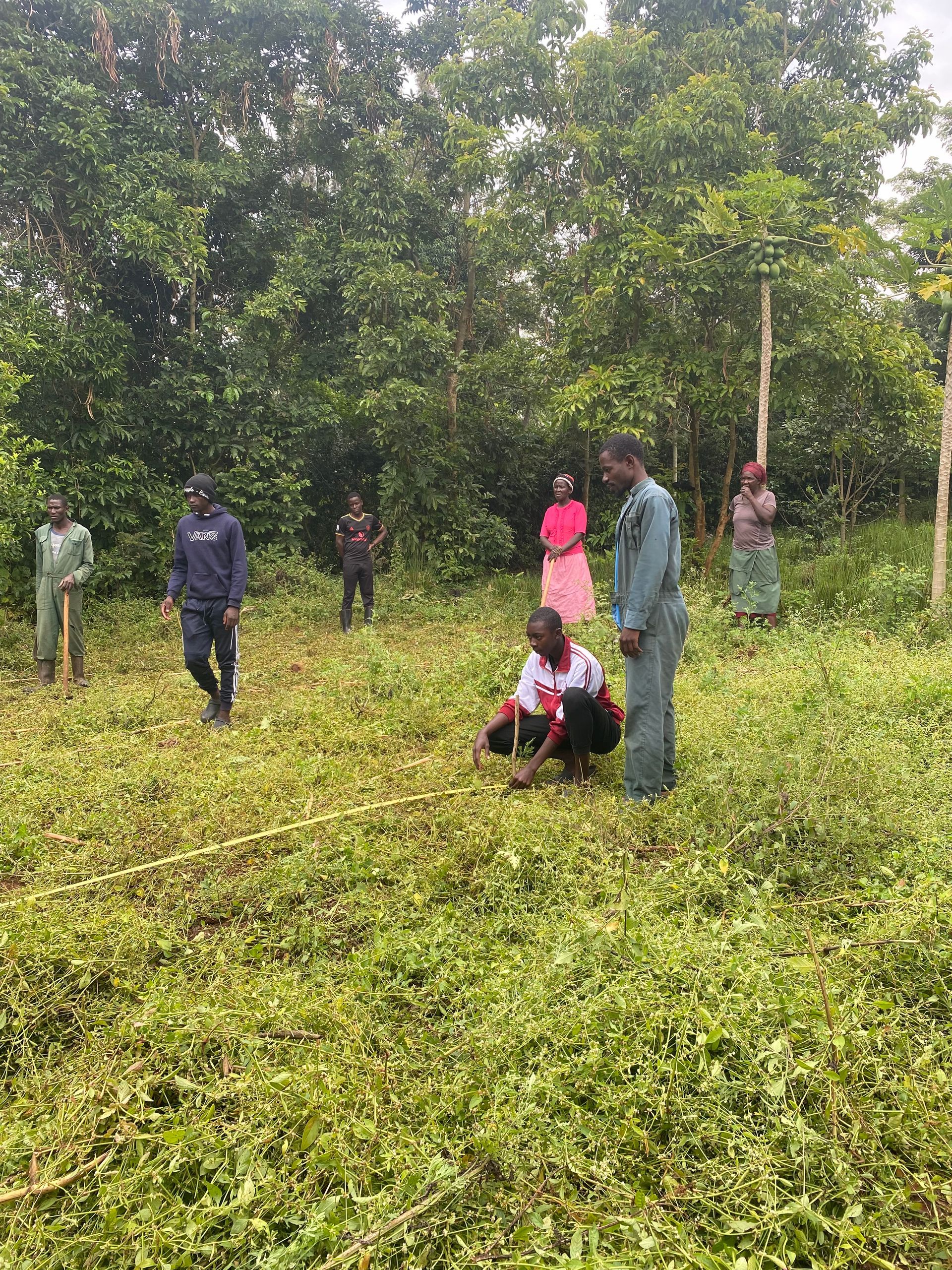
In total, 50 grafted fruit tree seedlings were received, comprising 30 avocado seedlings, 10 mango seedlings, and 10 orange seedlings. Alongside the donation, Altow Company provided clear technical guidance on proper planting and care, including spacing, soil preparation, watering, and early maintenance practices. SKF carefully applied these guidelines to ensure the seedlings were planted under appropriate conditions.
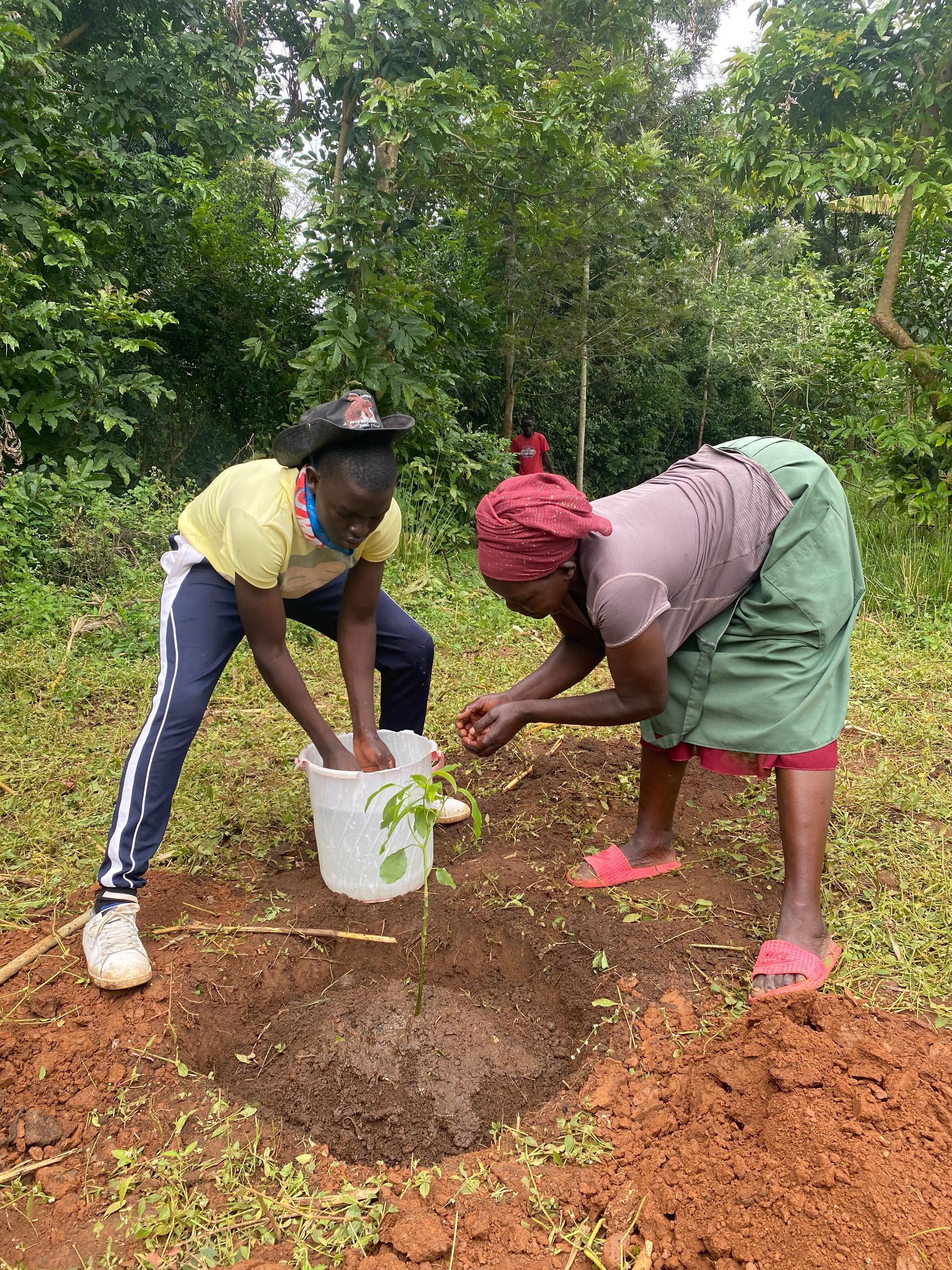
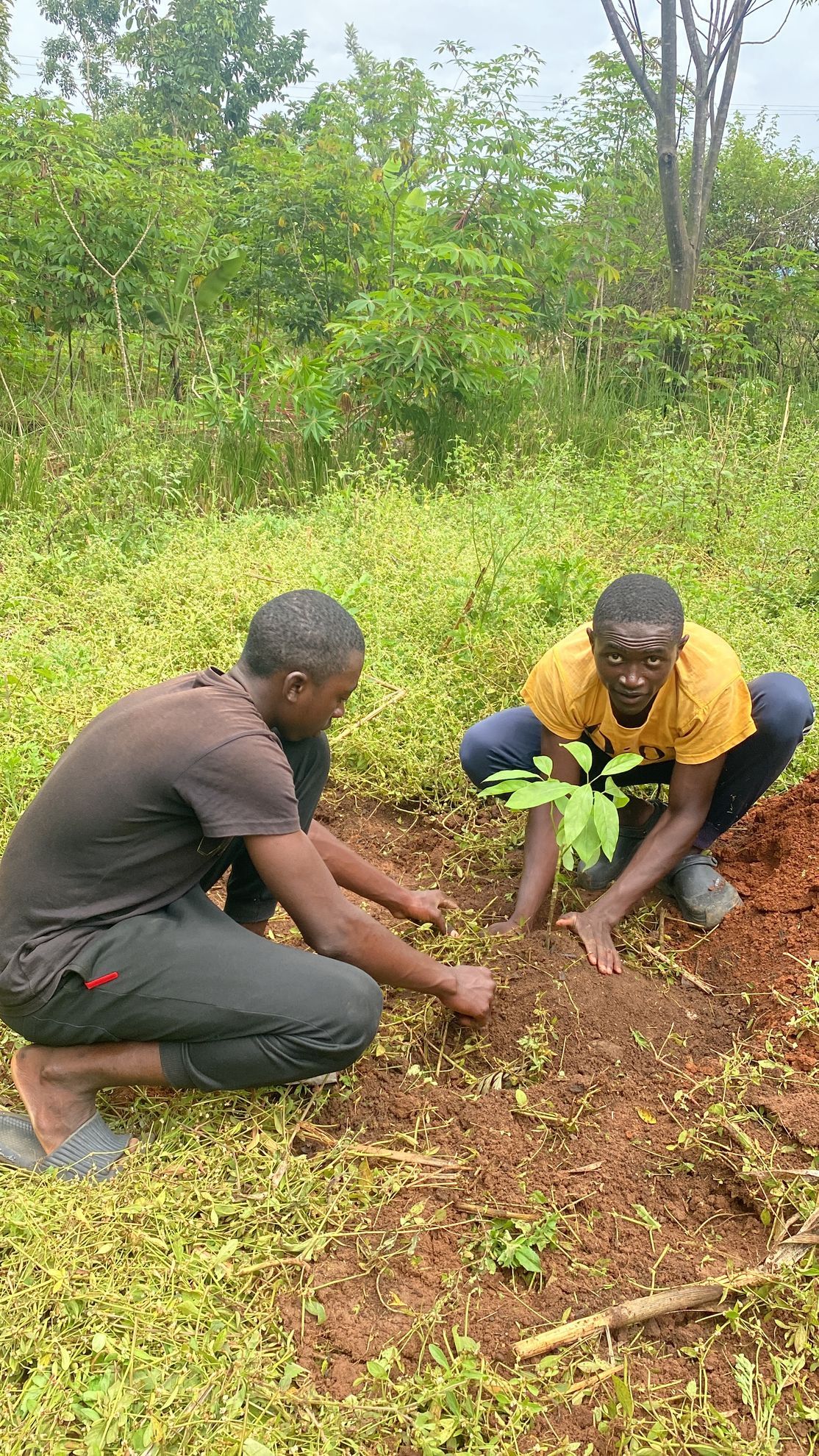
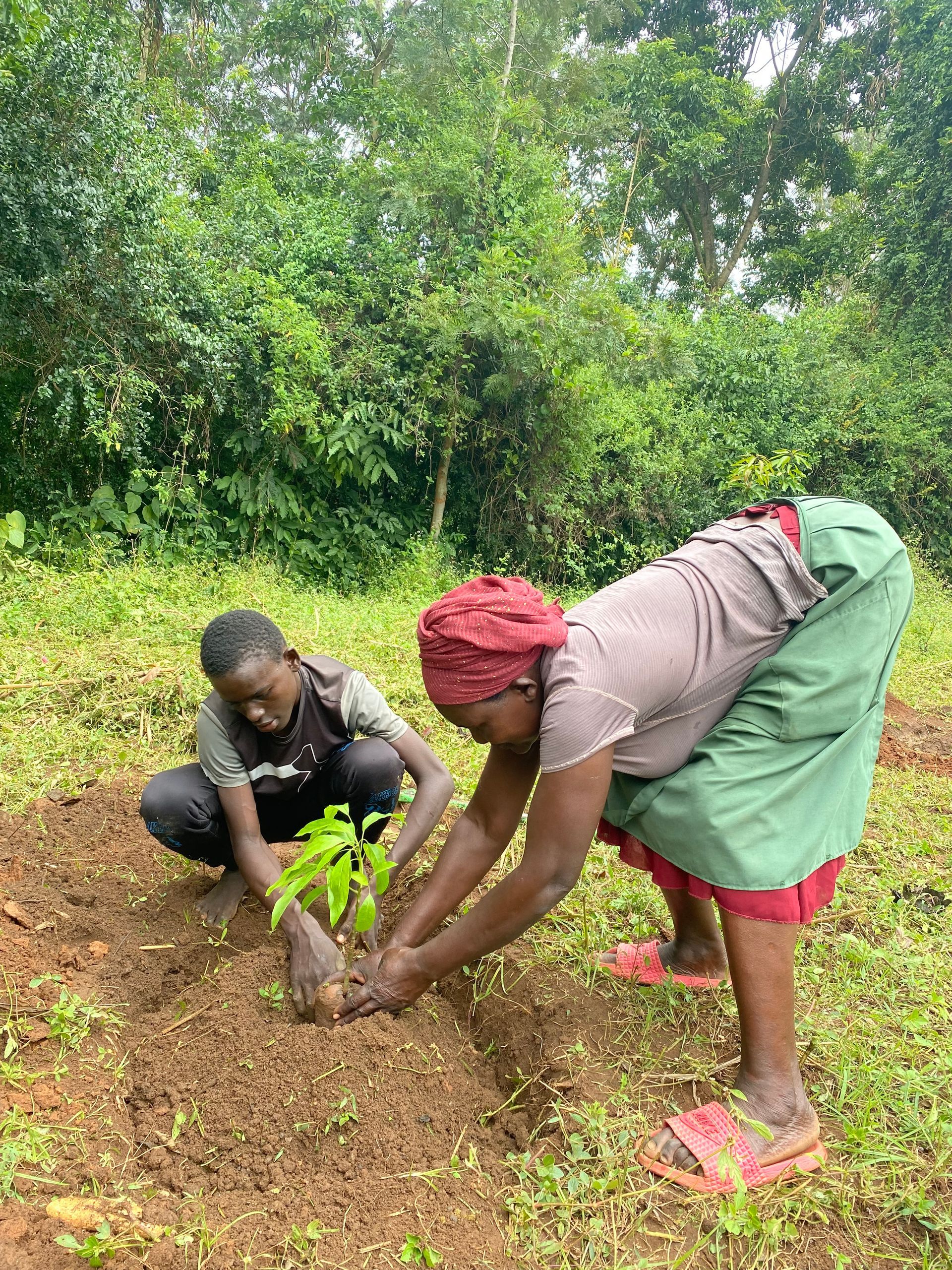
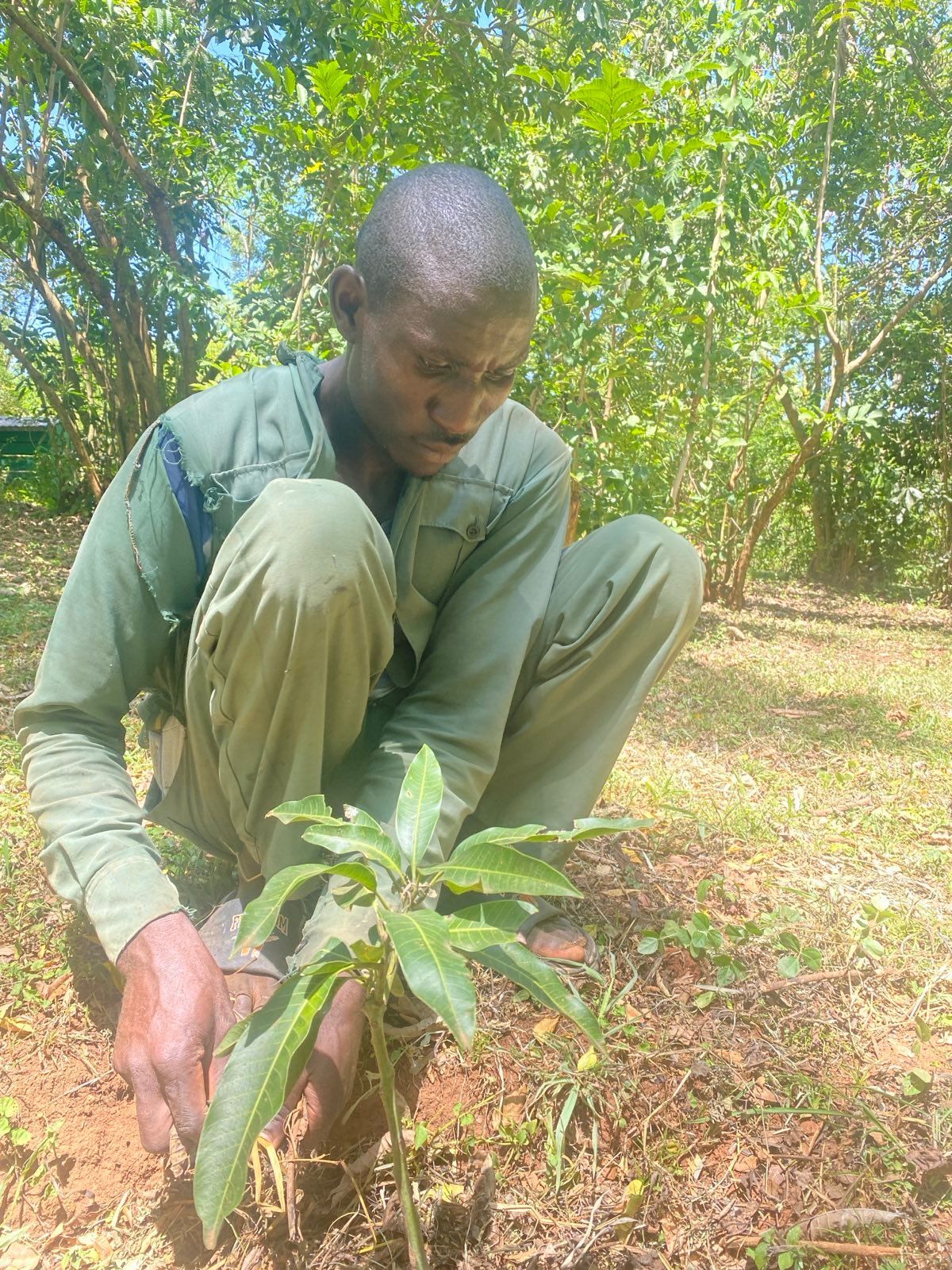
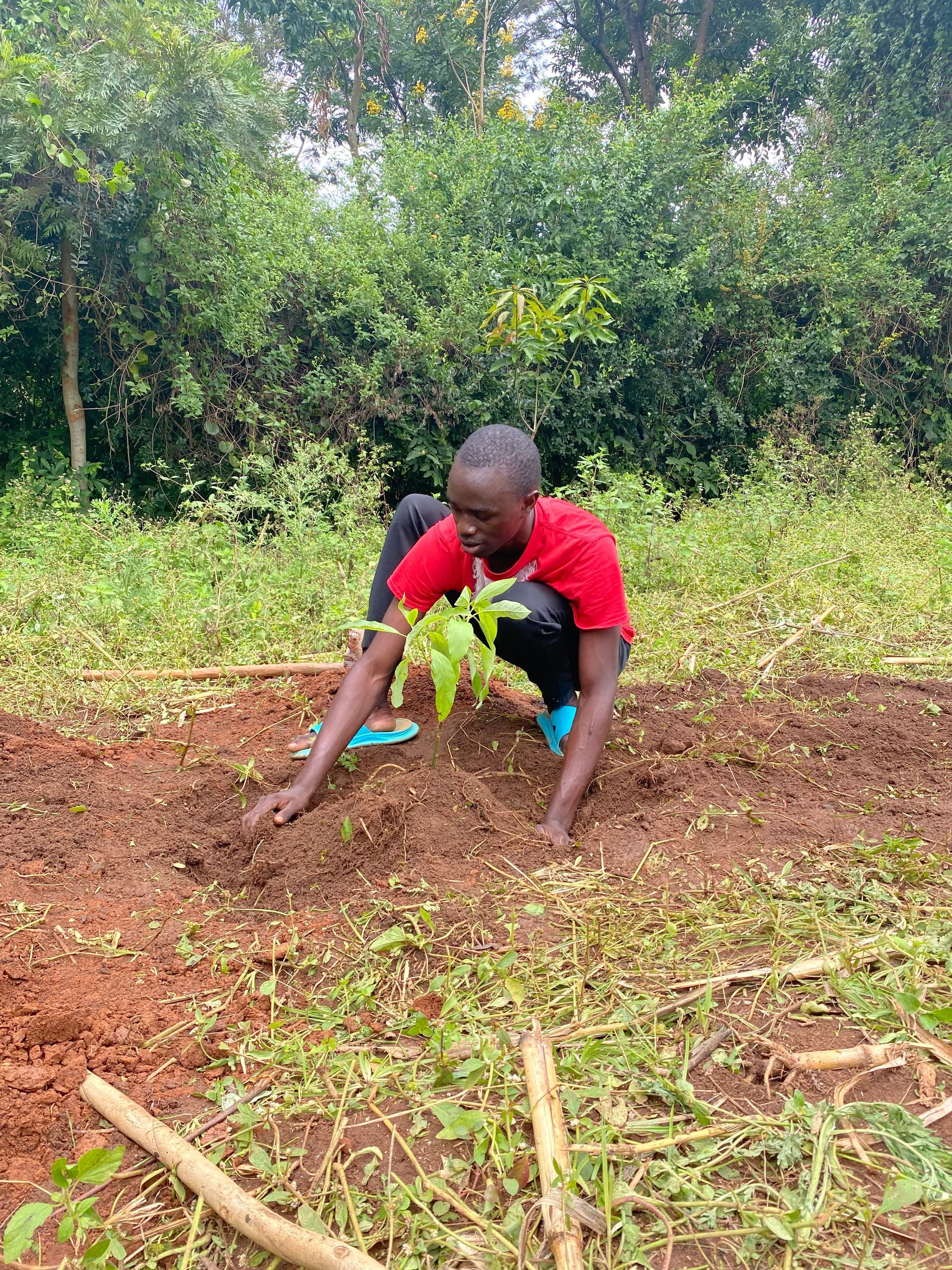
The trees were planted across the SKF grounds at Banda, RTL, and SRVTC and are currently thriving, showing healthy and promising growth. This positive early progress has encouraged staff and beneficiaries alike and will strengthen the confidence of the team in managing grafted fruit trees effectively.
The initiative aims to introduce fruit tree farming as a sustainable and long-term livelihood opportunity, improve food security through future access to nutritious fruits, build practical skills among staff and young people, promote environmental conservation, and explore income-generating opportunities through fruit production. Staff from the Sustainable Economic Growth (SEG) program closely supported the planting process and continue to oversee regular watering growth monitoring and care.
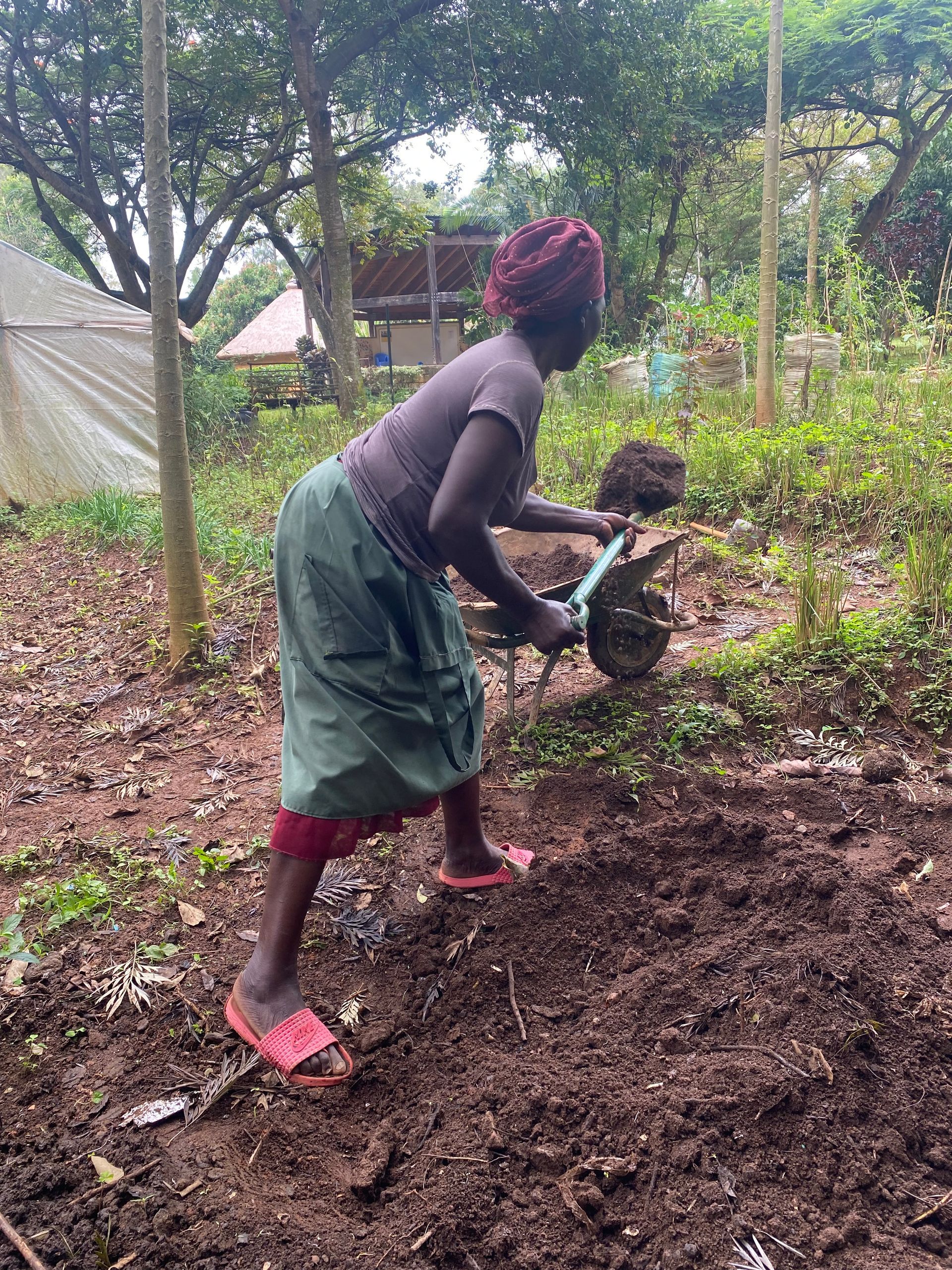
As this was a new area for SKF, the activity was approached as both an implementation and learning process. Through hands-on engagement, staff gained valuable experience in caring for grafted fruit trees and understanding their specific needs compared to non-grafted varieties. Young people were actively involved in planting the trees and will then be involved to continue participating in their care, strengthening knowledge transfer and ownership.
All seedlings have been successfully planted and are being regularly monitored. The trees are healthy and the project is progressing well. In the short to medium term, the initiative is expected to strengthen practical agricultural skills, increase awareness of alternative farming practices, and lay a strong foundation for future fruit production. In the long term, the project has the potential to contribute to improved nutrition and food security, generate income to support SKF activities, and serve as a learning and demonstration site for young people and the surrounding community.
SKF will continue to monitor and document the progress of the fruit trees while capturing lessons learned to inform future agricultural and environmental initiatives. Based on the success of this initial phase, there is potential to expand the project, integrate it into youth and community training programs, and explore partnerships that support sustainable agriculture and economic empowerment. Sauti Kuu Foundation sincerely appreciates Altow Company for their generous donation of seedlings and technical guidance, which made this initiative possible. Their support has enabled SKF to explore a new and impactful pathway toward sustainable development, learning, and community empowerment.
